
The Real Cause of Procrastination - and What You Can Do About It
Most writers procrastinate at some point or other. (I’m tempted to say all writers, but I try to stay away from absolutes).
Sometimes we go a day or two. Or weeks, or months, without writing. The longer we procrastinate, the harder it is to get back into it. We’ve not only lost the spark, we’re not even sure where to start.
We beat ourselves up. We promise we will definitely, for sure, write tomorrow.

How to Show Don’t Tell by Going Deeper with Adjectives
“Show, don’t tell,” is a frequently-misunderstood adage in writing. What it boils down to is, “how to make the story more interesting and immersive for the reader.”
It’s especially important to show who a character is, as opposed to telling us.

Is Deliberate Practice Good for Writers?
What do I mean by deliberate practice? I mean the skills that go into writing: dialogue, setting, character building, elegant description, showing emotion, scene development, and so on. It might be copying passages from a particular book to break down how the author did what they did on the page.

How to Develop a Powerful Writing Mindset
Most of us have heard by now about the power of having a positive, growth-oriented mindset. But if you are a writer, it can be very difficult to maintain this ideal. Most of what we’re doing is alone in a room, with no idea whether we’ll reach an audience or not. We endure tons of rejection. If we do publish, we risk our work being ignored or harshly criticized.

The Pros and Cons of Publishing with a Small Press
I just signed my first book contract. It feels surreal to say it. This day has been a long time coming. It’s with a small press, Gemma Media.
I am very happy about this, for many reasons. For one, it’s a lifelong dream fulfilled. For another, I really believe in the mission of this press. And yet another, I’m in some amazing company in terms of fellow writers who’ve been published by this press.

My Thoughts on Using AI in Writing
Don’t. I assure you, you will not be “left behind” if you forswear it. You will see authors who churn out 100 books a month in predictable genres earning six figures, and if that’s really what you want to do, and readers really don’t care, then <shrug>. But you are not a writer, in that case. You are simply an AI prompter.

How to Write a Killer Query Letter in 2026
The first thing to understand is what a query does: Sell your book! Agents receive hundreds of queries per week. 1,000 per month is not unusual. As you can imagine, agents are skimming a lot. Something needs to grab them right away. It does you no good to have a fantastic story but a dull, pedestrian cover letter that fails to convey anything compelling.
How to Create a DIY Reading Retreat
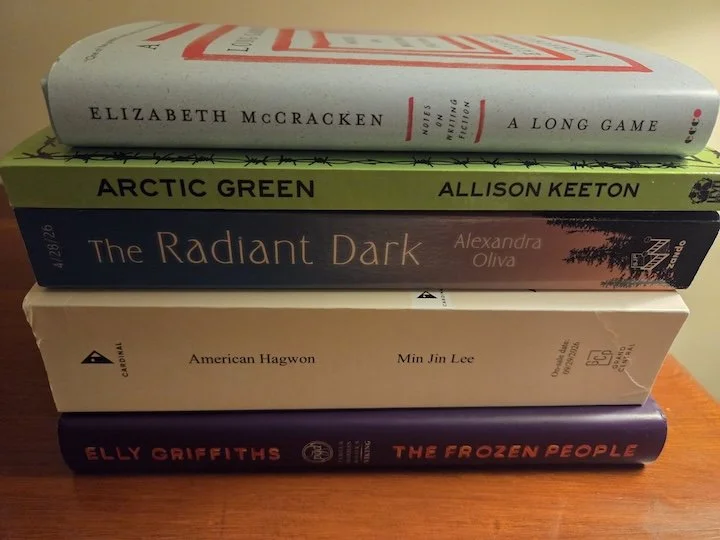
This past weekend, I attended a Reading Retreat sponsored by Golden Bee Bookshop, my local fave. It reminds me of the left-progressive indies of the Boston area that I miss. I’ve attended silent reading groups and write-ins there, I order books from them… and when this retreat came up, I jumped to join. Partly because, well, it’s a retreat where the only thing you have to do is read all day; and also because it took place where I attended summer camp from ages 8-12. Nostalgia trip!
No Time to Write? Conduct a Time Audit
One of the biggest complaints most writers have is that they have no time to write. This is understandable; in our daily, packed lives it can be difficult to get as much time as we’d like to write. Some of us manage a little bit every day, while wondering how to squeeze out more since our projects seem to be taking forever. Others look at their lives and think, “Well, 15 minutes to write must be nice!”
There are many reasons why we feel time-crunched, and the actual amount of hours in the day is only one part of the story. Although we may be able to squeeze in 15 minutes to write, it often takes a few minutes just to settle in and remember what we were working on. Or, we have some time, but we’re too physically or mentally exhausted to do anything like writing that takes mental energy.
It takes two things to have a regular writing practice: Priority and Intention.

10 Questions to Enhance Your Character Relationships
Recently I was reading a novel where the characters were flat. They talked, they did stuff, but aside from the opening scene (which was pretty compelling), they seemed to be cardboard people propelled around for the sake of the plot.

How to Avoid Pronoun Overload
We’re always told to write our characters with interiority. And it’s true, readers need to know a character’s thoughts. In most cases, at least in modern fiction, readers want to be inside the character’s head, knowing what they know, feeling what they feel.

The Case for Freewriting as Essential Practice
I was introduced to freewriting as a practice by Natalie Goldberg, in her seminal book, Writing Down the Bones. As someone who struggled to actually sit down and write, it was eye-opening to think that I didn’t need to have an idea, a scene, or a purpose in mind, other than just… writing, and seeing what came up.

Verbs of Inaction: How to Show, Not Tell
Recently I’ve been editing a manuscript that’s just about ready to go to the publisher. One of the final things I do is go through and search for all the "boring" verbs, which are mainly the ones that describe the five senses or existence directly:
Overcoming the Paradox of “Easy.”
Back when I was still working as a university administrator, I was tasked with finding an adjunct instructor for a course. With an abundance of talent out there, it’d be easy, right?
Wrong.

The Writer’s Life List
Have you ever written a Life List?
Basically, it’s simply a list of everything you’d like to experience or accomplish in your life. It can be anything you want – a Top Ten, a list of 50 or 100 Things To Do Before I Die... whatever moves you. It’s your list.
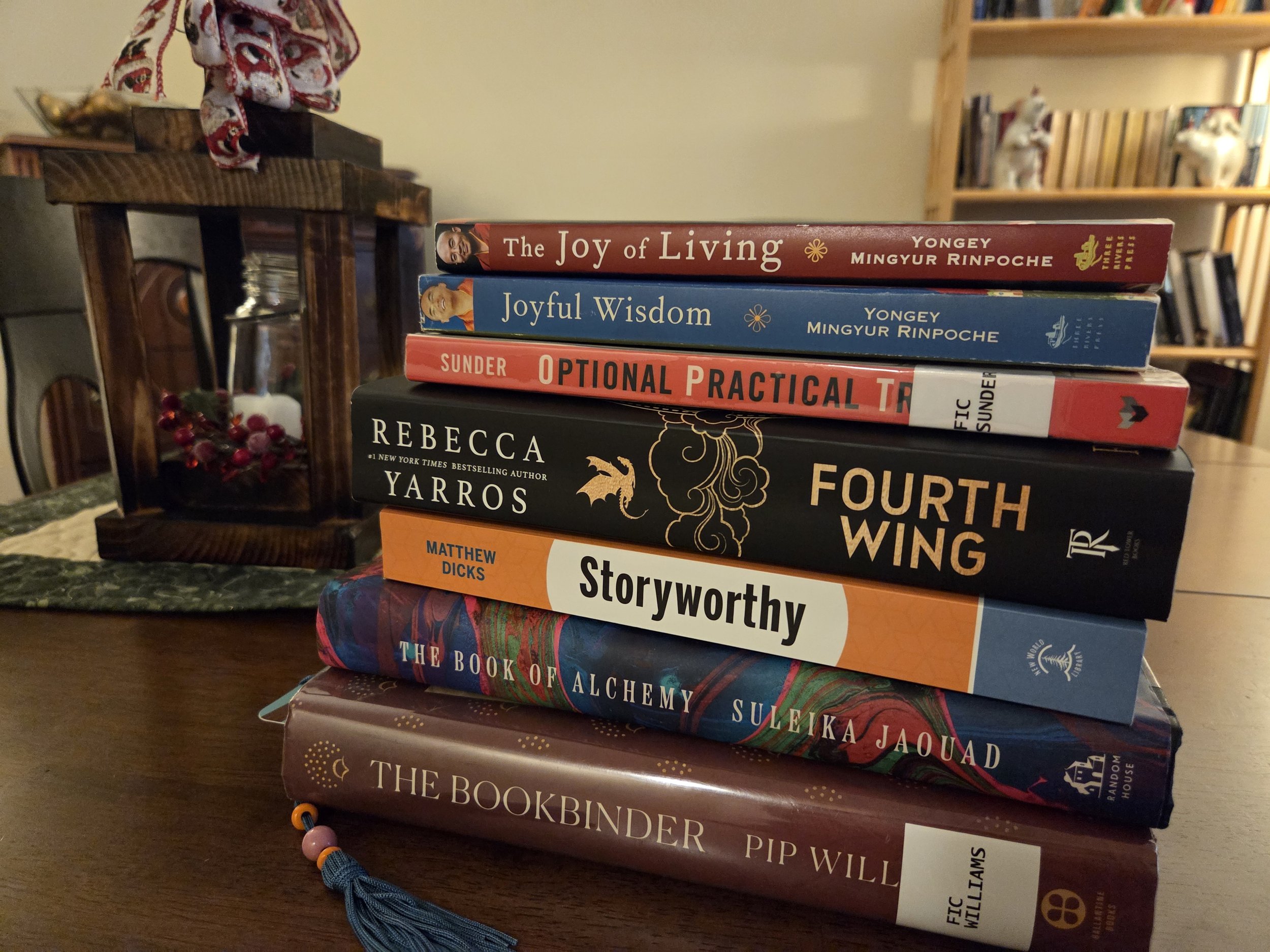
The Best Books I Read in the Second Half of 2025
I read another 31 books in the second half of the year, for a total of 63. I love looking back at the books I’ve read and seeing which ones still stand out for me. Here they are, in no particular order:

10 Fun Gifts for Writers – i.e., YOU
Okay, so it’s supposed to be the season of giving... to other people. But I’m sure I’m not the only one who isn’t averse to buying a little something for myself, especially if it’s not something other people are likely to buy for me (due to expense, impracticality, or “But I always get you X!”)
Below are some of my favorite things. Hopefully they’ll spark some ideas of your own:
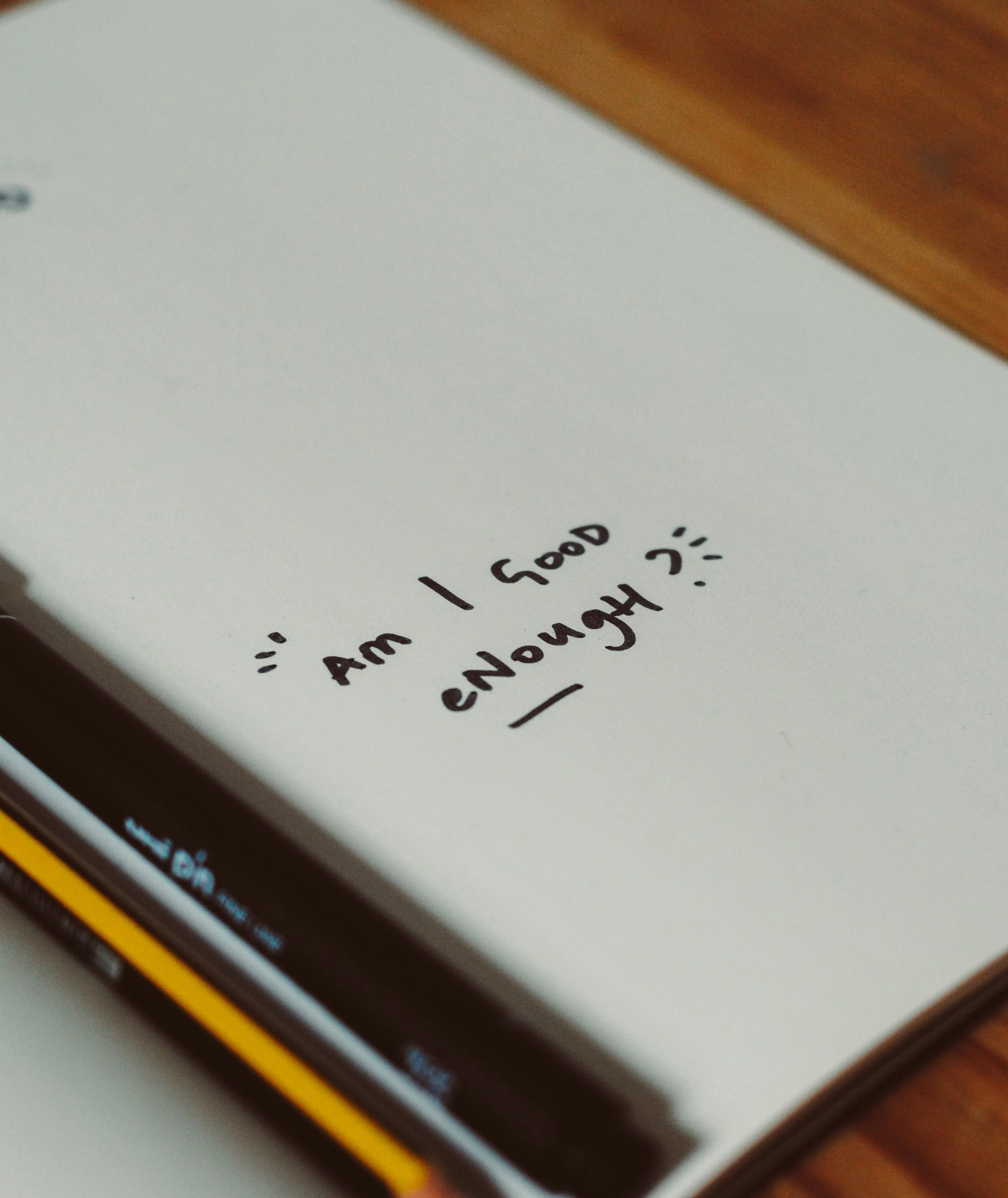
How Do You Know When You’re Ready to Query (or Publish) Your Book?
Writer 1: I’ve finished! Okay, I’ve done a quick revision. I’ve read it through and it seems pretty good. I’ve had a few other people read it and say it’s like 80% done. I think I’m going to send it out – or self publish – and get on to the next thing. I just can’t look at this particular manuscript any longer.

Wisdom from Mel Robbins: The 5 Second Rule for Writers
To be clear right off the bat, Mel did not specifically talk about her 5-Second Rule, or anything else, in terms of writers. But in rereading her book, The 5-Second Rule, I realized that a lot of what she says can be especially helpful for writers and other creatives in getting out of their own way and making progress toward their goals.

10 Steps to Prepare for a Long Writing Sprint
Although the official NaNoWriMo (National Novel Writing Month) no longer exists, you may be preparing for a long writing sprint to close out the end of the year. For some people, adding the pressure of completing X number of words (the traditional 50,000 or some other number) feels like too much pressure to put on what is often the busiest time of year. For others, it’s the perfect time to think of pushing to complete a major project.